
The first hot day of the year arrives. You flip the switch on your thermostat, expecting a blast of cool, refreshing air. Instead, you’re met with silence, warm air, or an strange clunking sound. A malfunctioning air conditioner isn’t just an inconvenience—it’s a full-blown household emergency, especially during the sweltering summer months.
Understanding the basics of AC repair can save you time, money, and a lot of discomfort. This guide will help you identify common problems, know when to call a professional, and, most importantly, how to prevent issues before they start.
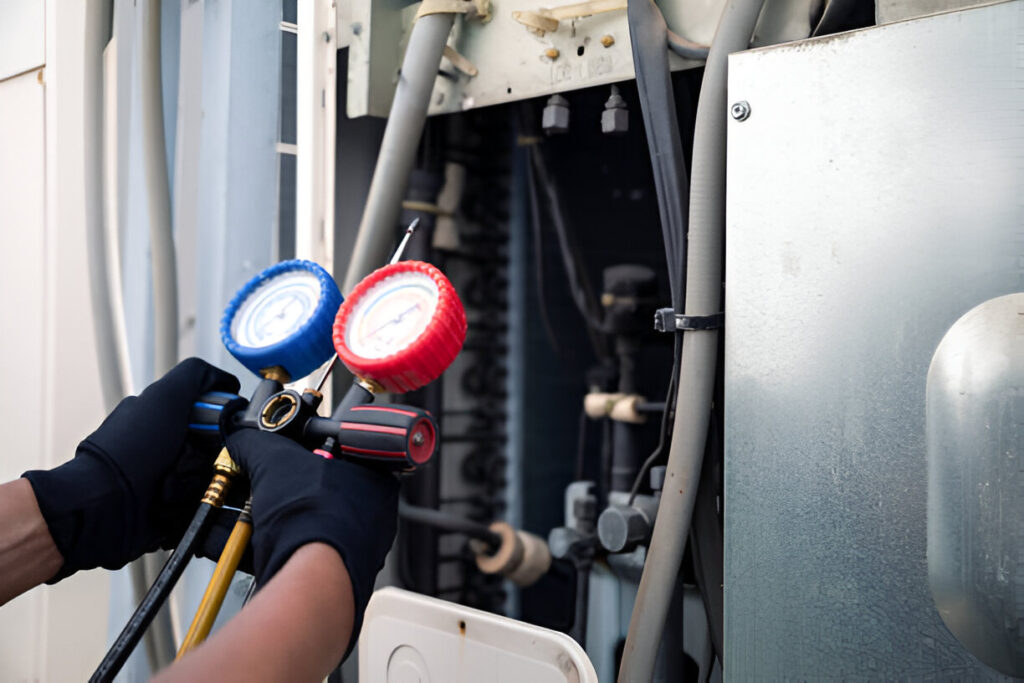
Common AC Problems and What They Might Mean
Before you panic, know that not every issue requires a major overhaul. Here are some frequent culprits:
- The AC Won’t Turn On: This is often an electrical issue. Check your thermostat first—is it set to “cool” and at a temperature lower than the room? Next, check your circuit breaker; a tripped switch is a common and easy fix. If both are fine, the problem could be a faulty thermostat, a broken capacitor, or a damaged motor.
- Weak or Warm Airflow: If the unit is running but not cooling, you might have:
- A clogged air filter: This is the #1 cause of reduced airflow and efficiency. A dirty filter restricts air, causing the system to work harder and potentially freeze up.
- A refrigerant leak: Your AC doesn’t “use up” refrigerant. Low levels mean a leak, which requires a professional to locate and repair it.
- Ductwork issues: Leaky or poorly insulated ducts can lose cooled air before it reaches your rooms.
- Strange Noises: Your AC should run with a relatively quiet hum. Unusual sounds are red flags.
- Squealing: Often indicates a problem with the belt or a motor bearing.
- Grinding: Usually a sign of serious motor bearing issues.
- Banging or Clanking: Could mean a connecting rod or piston is loose, or there’s a problem with the compressor.
- Frequent Cycling: Your AC should go through relatively complete cooling cycles. If it’s constantly turning on and off (short cycling), it could be due to an oversized unit, a faulty thermostat, or an overheating compressor.
- Water Leaks: Some condensation is normal, but excessive pooling or leaking can signal a blocked drain tube or a refrigerant leak, which needs immediate attention to prevent water damage and mold growth.
When to Call a Professional (and Why You Should)
While changing an air filter is a simple DIY task, most AC repairs require a certified HVAC technician. Here’s why:
- Expertise and Diagnostics: Technicians have the training to accurately diagnose the root cause, not just the symptom. What seems like a simple part replacement might be a sign of a larger, systemic issue.
- Safety: AC systems involve high-voltage electricity, dangerous chemicals like refrigerant, and complex components. Handling these incorrectly can be hazardous to your health and your home.
- Proper Tools and Parts: Professionals have specialized tools for diagnostics and repair, as well as access to high-quality, manufacturer-recommended parts.
- Warranty Protection: Many AC unit warranties require that repairs and maintenance be performed by a licensed professional to remain valid.
Call a pro immediately if you notice: a complete system failure, burning smells, frozen coils, loud grinding noises, or signs of a refrigerant leak (a hissing sound or ice on the refrigerant lines).
Preventing Problems: The Key to a Cool Summer
The best ac repair is no repair at all. A well-maintained AC unit runs more efficiently, cools more effectively, and has a longer lifespan. Here’s how to prevent most common issues:
- Change Your Air Filter Regularly: This is the simplest and most effective maintenance task. Check it monthly and change it at least every 3 months, or more often if you have pets or allergies.
- Schedule Annual Tune-Ups: Have a professional service your system once a year, ideally in the spring before the cooling season begins. A tune-up typically includes:
- Cleaning coils and drains
- Checking refrigerant levels
- Inspecting and tightening electrical connections
- Lubricating moving parts
- Calibrating your thermostat
- Keep the Area Around Your Outdoor Unit Clear: Ensure there’s at least two feet of clearance around the condenser unit (the part outside). Remove leaves, grass clippings, and other debris to allow for proper airflow.
- Invest in a Smart Thermostat: A programmable thermostat can optimize your cooling cycles, reduce strain on your system, and lower your energy bills.
Staying Cool and Collected
Your air conditioner is a complex machine and a critical investment in your home’s comfort. By understanding the signs of trouble, knowing when to call for help, and committing to simple, regular maintenance, you can ensure it keeps you cool and comfortable for many summers to come. Don’t wait for a breakdown in the middle of a heatwave—a little proactive care is the ultimate key to beating the heat.
