
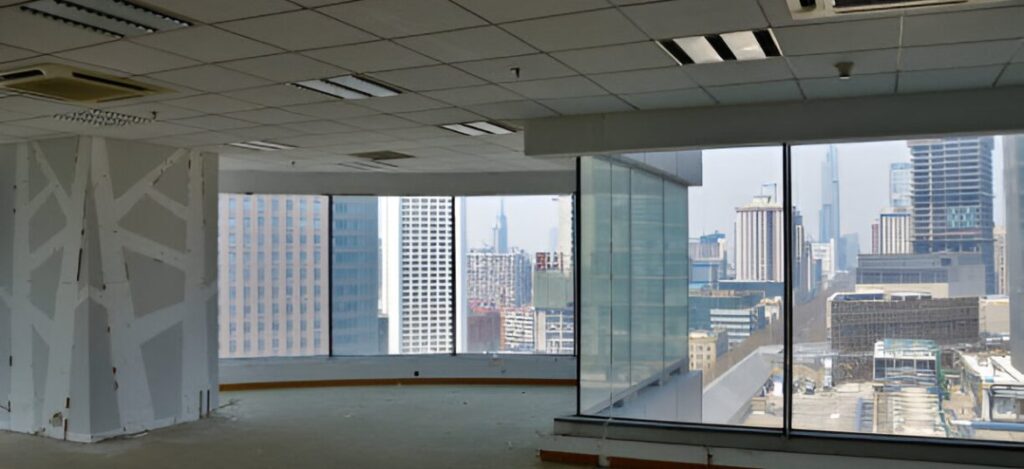
Walk into any generic office, retail store, or restaurant, and you’ll feel it almost immediately—or, more accurately, you won’t. There’s a palpable lack of energy, a void of identity. It’s a space, but it’s not a place. It functions, but it doesn’t inspire. This is the chasm that separates mere construction from a truly strategic fitout service.
Today, the concept of a “fitout” has evolved far beyond its roots in partitioning and furniture procurement. It is no longer a decorative afterthought but a foundational business strategy. A world-class fitout service is the alchemy of transforming an empty shell into a dynamic environment that actively works to achieve your core objectives: boosting productivity, amplifying your brand, attracting talent, and driving revenue.
The Three Pillars of a Modern Fitout
Understanding this evolution means recognizing that a fitout operates on three distinct, yet interconnected, levels.
1. The Functional Blueprint: The Science of Space
At its core, a fitout must work. This is the realm of ergonomics, workflow optimization, and operational efficiency. A strategic fitout service delves into the “how” of your business.
- For Offices: This means moving beyond the open-plan vs. cubicle debate. It’s about creating an “ecosystem of workspaces”—thoughtfully designed areas for focused, deep work; collaborative zones that spark innovation; social hubs for unplanned connections; and quiet rooms for rejuvenation. It’s about analyzing team interactions and designing a layout that facilitates, rather than hinders, the natural flow of ideas.
- For Retail: This is the science of the customer journey. A strategic fitout meticulously plans the path a customer takes, using lighting, flooring, and spatial design to guide them, control sightlines, and maximize dwell time at high-margin product displays.
- For Hospitality: It’s the choreography of the guest experience. From the welcoming ambiance of the entrance to the efficient flow of the kitchen to the comfort of the dining area, every square inch is engineered to enhance service and create a memorable, seamless experience.
2. The Brand Embodiment: The Story in the Space
Your space is your most tangible marketing asset. It’s a 3D manifestation of your brand promise. A cutting-edge fitout service acts as a brand translator, converting your mission, vision, and values into physical form.
This is where artistry meets strategy. Your brand’s color palette isn’t just splashed on a wall; it’s woven into the fabric of the upholstery and the finish of the fixtures. Your company’s story isn’t just on your “About Us” page; it’s etched into feature walls, displayed through curated art, and told in the choice of raw, sustainable materials that speak to your commitment to the environment. When a customer or employee walks in, they should feel your brand before a single word is exchanged.
3. The Human Experience: The Psychology of Place
This is the most profound, and often overlooked, dimension of a modern fitout. How does the space make people feel? A strategic fitout service leverages principles of environmental psychology to cultivate desired behaviors and emotions.
- Biophilic Design: Integrating natural elements like abundant greenery, natural light, water features, and wood has been proven to reduce stress, enhance creativity, and improve well-being.
- Acoustic Engineering: Controlling noise is not a luxury; it’s a necessity for concentration and comfort. A great fitout uses sound-absorbing materials, strategic buffering, and even sound-masking technology to create an aurally comfortable environment.
- Wellbeing-Centric Design: This includes everything from circadian lighting systems that mimic natural daylight to support our sleep-wake cycles, to providing access to quiet wellness rooms and ergonomic furniture that supports physical health.
The Fitout as a Strategic Partner, Not a Vendor
Choosing a fitout partner is one of the most critical decisions a business leader can make. The right partner does not simply execute a set of blueprints; they become a collaborative consultant. The process should be a discovery—a deep dive into your business goals, your culture, and your vision for the future.
They will ask questions you may not have considered: How do your teams actually collaborate? What does your ideal customer feel when they walk in? How can this space adapt to your growth over the next five years?
The result of this partnership is not just a beautifully designed interior. It is a powerful business tool. It’s a workplace that becomes your number-one recruitment and retention tool in a competitive talent market. It’s a retail environment that increases average transaction value and customer loyalty. It’s a restaurant that turns first-time visitors into lifelong advocates.
In the end, a strategic fitout is an investment in your most valuable assets: your people, your brand, and your future. It’s the recognition that the spaces we inhabit are not passive backdrops to our lives and work. They are active, dynamic participants that can either hold us back or propel us forward. The question is no longer if you can afford a great fitout, but whether you can afford the cost of a generic one.
