
In Dubai, an air conditioner is not a luxury; it’s a lifeline. With summer temperatures that can soar past 45°C (113°F) and a climate that demands year-round cooling for most of the year, a reliable and efficient AC system is paramount for comfort, health, and even the preservation of your home. Whether you’re moving into a new villa, renovating an apartment, or replacing an old unit, understanding the intricacies of AC installation in this unique environment is crucial.
This guide will walk you through everything you need to know to make an informed decision.
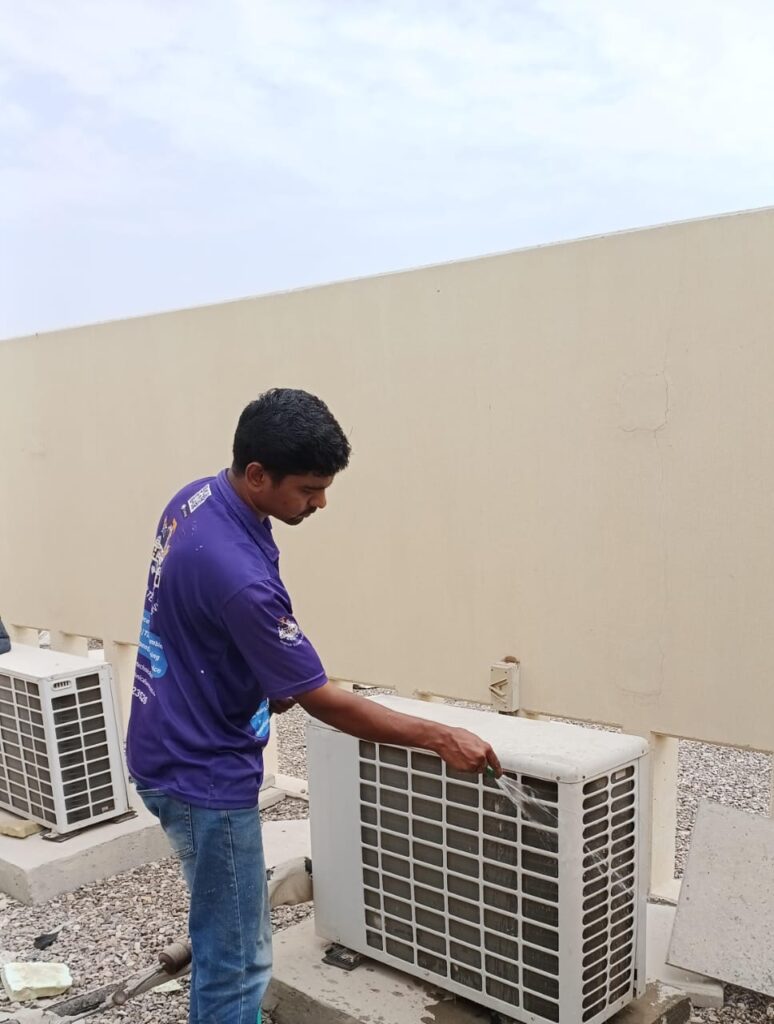
Why AC Installation in Dubai is Unique
Installing an AC in Dubai isn’t the same as in milder climates. The extreme conditions present specific challenges:
- Extreme Heat and Humidity: Systems must be powerful enough to handle intense thermal load and effectively remove high humidity levels from the air.
- Dust and Sandstorms: Frequent dust and sand require robust filtration systems and can clog condenser coils, reducing efficiency if not maintained.
- High Energy Consumption: With ACs running almost constantly for several months, energy efficiency isn’t just about saving money—it’s about reducing your environmental footprint and managing high DEWA (Dubai Electricity and Water Authority) bills.
- Building Regulations: Apartments often have pre-designated spaces for AC units (chiller pipes or external balconies), while villas offer more flexibility but must comply with community guidelines.
Choosing the Right System for Your Dubai Home
The first step is selecting the type of system that best fits your property.
1. Split AC Units (The Most Common Choice)
* Best for: Apartments, small to medium-sized rooms, and villas with multiple rooms.
* Pros: Cost-effective, easy to install, energy-efficient for single rooms. The inverter technology models are highly recommended for their electricity savings.
* Cons: Multiple outdoor units can be unsightly and require significant balcony or wall space.
2. Central AC / Ducted Systems
* Best for: Large villas, entire apartments, and commercial spaces.
* Pros: Provides uniform cooling throughout the property, quiet operation as the main unit is hidden (often in the roof or utility room), and only discreet vents are visible.
* Cons: Higher initial installation cost, more complex ductwork design, and less flexibility for zoning unless a advanced system is installed.
3. Window AC Units
* Best for: Temporary solutions or smaller spaces like maids’ rooms and storage areas.
* Pros: Low upfront cost, all-in-one unit.
* Cons: Generally less energy-efficient, noisier, and often prohibited in modern apartment buildings due to aesthetic and structural reasons.
4. District Cooling (Chiller Systems)
* Best for: Many modern apartment towers and communities in Dubai (e.g., Jumeirah Beach Residence, Downtown Dubai, Dubai Marina).
* How it works: The building receives chilled water from a central plant. You pay for the cooling you use, typically based on a “thermal unit” charge.
* Pros: No large outdoor condenser unit needed, just a fan coil unit (FCU) inside.
* Cons: You are tied to a specific provider (like Empower or Tabreed), and charges can be high if not managed carefully.
The Installation Process: What to Expect
A professional installation is non-negotiable in Dubai’s climate. A poor installation can lead to refrigerant leaks, inefficient cooling, and frequent breakdowns.
- Consultation and Load Calculation: A reputable company will not just sell you a unit. They will perform a detailed load calculation, considering your room size, insulation, window exposure, and occupancy to recommend the correct BTU (British Thermal Unit) capacity. An undersized unit will struggle, and an oversized one will cycle on and off too frequently, leading to humidity issues.
- Site Survey: The technician will survey your property to determine the optimal placement for the indoor and outdoor units, ensuring proper airflow, drainage, and accessibility for future maintenance.
- Professional Installation: This includes:
- Securely mounting the indoor and outdoor units.
- Creating precise holes for piping (with proper sealing to keep dust out).
- Installing copper piping, electrical wiring, and a condensate drain line with the correct slope.
- Vacuuming the system to remove moisture and air before charging it with refrigerant.
- Testing and Handover: The system is tested for cooling performance, airflow, and drainage. The technician should explain the basic functions of the remote control and thermostat.
Cost Considerations
The cost of an AC installation in Dubai varies widely based on:
- Type and Brand: Premium brands like Daikin, Mitsubishi Electric, and Carrier cost more than mid-range options but offer superior reliability and efficiency.
- Capacity (BTUs): A 18,000 BTU split unit will cost less than a 24,000 BTU unit.
- Complexity of Installation: Installing a ducted system in a villa is far more labor-intensive than a simple split AC.
- Additional Materials: The need for extra refrigerant piping, complex ductwork, or a new electrical circuit will add to the cost.
As a rough estimate:
- Split AC Installation: AED 1,500 – AED 4,000+ (including the unit).
- Central AC Installation: AED 20,000 – AED 60,000+ for a full villa system.
Always get multiple detailed quotes that break down the cost of equipment, labor, and materials.
5 Essential Tips for a Successful AC Installation in Dubai
- Prioritize Inverter Technology: Inverter ACs adjust their compressor speed to maintain the desired temperature, using significantly less energy than non-inverter models that constantly turn on and off. The higher initial cost is quickly recovered through lower DEWA bills.
- Choose the Right Brand and Warranty: Stick with established, serviceable brands. Ensure the warranty covers both parts and labor, and understand the terms, especially for the compressor.
- Hire Only Licensed and Insured Professionals: Do not opt for unlicensed “handymen.” Licensed technicians have the training to handle refrigerants safely and ensure the installation meets local standards. They are also insured in case of accidental damage.
- Plan for Maintenance from Day One: Ask the installer about an annual maintenance contract (AMC). Regular servicing—including cleaning coils, checking refrigerant levels, and clearing drain lines—is essential for performance, efficiency, and longevity in Dubai’s dusty environment.
- Check DEWA Regulations for External Units: If you live in a villa, ensure the placement of your outdoor condenser units complies with DEWA and your community’s regulations regarding safety clearances and aesthetics.
Conclusion
A well-planned and professionally executed AC installation in dubai is one of the most important investments you can make in your Dubai home. It’s the key to transforming your living space into a cool, comfortable, and healthy oasis away from the relentless desert heat. By choosing the right system, a trusted installer, and committing to regular maintenance, you can ensure your comfort for many summers to come.
