
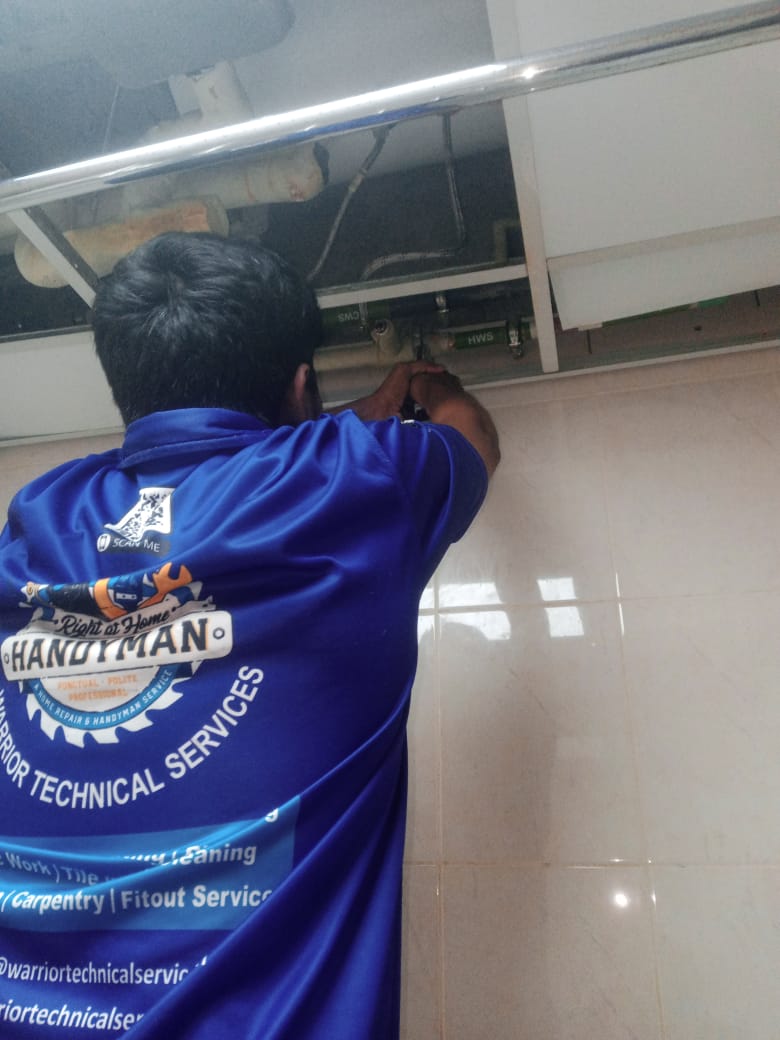
Dubai’s construction and property landscape is evolving rapidly, from the soaring towers of Dubai Marina and Business Bay to the sprawling villa communities of Arabian Ranches and Jumeirah Village Circle. Behind every high-end development stands a critical, often overlooked, system: the plumbing . For residents, business owners, and property investors alike, understanding this market is essential for protecting property value and ensuring day-to-day comfort.
The Role of Regulations and Building Codes
Plumbing in Dubai isn’t just about pipes and fixtures—it’s governed by strict regulations designed to ensure public health and safety. Dubai Municipality is the lead authority overseeing plumbing standards, requiring that contractors hold specific licenses and that projects comply with the Dubai Building Code .
What the Dubai Building Code Requires
The Dubai Building Code sets detailed technical requirements for both plumbing installation and maintenance. For instance, it mandates specific pipe sizes, requiring 100mm outlets for water closets and 32mm for wash basins . In high-rises, soil vent pipes must be at least 150mm in diameter, compared to 100mm for shorter buildings .
The code also regulates vent pipe placement—venting must be positioned at least 3 meters horizontally from windows or doors and extend at least 2 meters above roof level . For hidden leaks, buildings must install leak detection systems in sensitive areas like electrical rooms and service risers, wired to the building management system .
Renovation Note: Any bathroom or kitchen renovation involving plumbing changes requires permits from Dubai Municipality and often approval from the building’s Owners Association. Work must be submitted by a licensed engineering consultant .
Common Plumbing Challenges in Dubai
Dubai’s unique environment creates specific plumbing issues. The extreme summer heat, high humidity, and mineral-rich water supply all accelerate wear on plumbing systems .
Peak Challenges by Season
The city’s climate creates distinct seasonal problems:
Pre-Summer (March-April): Pressure checks are critical as peak cooling loads stress systems .
Peak Summer (July): Hidden leaks compound fastest during continuous cooling operation. Thermal imaging and moisture meter verification are essential for detecting slab penetrations and condensate issues .
Post-Summer (October): Drain lines have absorbed heavy contamination loads. This period requires hydro-jetting stubborn blockages and scope camera inspections .
Winter (January): Water heater servicing becomes a priority—checking pressure relief valves, anode rod condition, and flushing sediment buildup .
Common Issues Across All Seasons
The most frequent issues include blocked drains from grease and hair accumulation, water heater failures from sediment buildup, hidden pipe leaks behind walls, low water pressure from ageing booster pumps, and blocked AC condensation lines that mimic plumbing leaks . A sudden spike in your DEWA bill is often the first indicator of a hidden leak .
Modern Leak Detection: Technology That Saves Your Property
Gone are the days of tearing open walls to find a leak. Modern leak detection uses non-invasive technology to pinpoint problems precisely:
- Thermal Imaging Cameras detect temperature differences behind walls—a cold water leak appears as a distinct cold spot .
- Acoustic Listening Devices use sensitive microphones to pick up the sound of water escaping from pressurised pipes .
- Tracer Gas Detection introduces a safe gas mixture into empty pipes; sensitive detectors locate the highest concentration where the gas escapes .
- Moisture Tracing uses meters to map dampness behind walls or under floors .
Some companies offer “no find, no fee” guarantees, meaning you only pay if they locate the leak .
Annual Maintenance Contracts (AMCs): A Smart Investment
Reactive plumbing is consistently more expensive than scheduled maintenance. Each reactive callout carries a dispatch fee that scheduled visits avoid—and each missed preventive opportunity surfaces later as a more expensive repair .
How Scheduled Coverage Works
A credible AMC typically includes six structured touch points throughout the year:
| Touch Point | Timing | Key Activities |
|---|---|---|
| Pre-Summer Pressure Check | March-April | Full pressure verification, hot water recirculation timing, fixture flow rates |
| Peak Summer Leak Audit | July | Thermal imaging, moisture meter verification, hidden leak detection |
| Post-Summer Drain Reset | October | Hydro-jetting, scope camera inspection, condensate trap re-priming |
| Winter Water Heater Service | January | Pressure relief valve check, anode rod condition, sediment flush |
| Annual Water Tank Cleaning | Varies | Storage tank sanitation and inspection |
| Water Quality Testing | Bi-annual | Quality verification and Legionella risk assessment |
What It Costs
Annual contract pricing varies by property type:
| Property Type | Annual Cost Range (AED) |
|---|---|
| Compact Apartment (1-2 bathrooms) | 2,500 – 5,000 |
| Larger Apartment (3+ bathrooms) | 3,500 – 7,500 |
| Villa with pool plant | 6,500 – 14,000 |
| Commercial Property | 15,000 – 80,000+ |
The arithmetic favours scheduled coverage: a worn pressure relief valve caught at the pre-summer touch point costs about AED 200 to replace. If it fails under summer load, ceiling damage can cost over AED 5,000 to remediate .
Typical Service Costs in Dubai
Pricing varies based on building type, location, and urgency. These figures represent mid-market rates for licensed contractors:
| Service | Typical Range (AED) |
|---|---|
| Tap/Faucet Repair | 120 – 300 |
| Toilet Repair/Replacement | 200 – 450 |
| Leak Detection | 250 – 600 |
| Water Leak Repair | 300 – 900 |
| Water Heater Replacement | 400 – 1,200 |
| Drain Unblocking | 150 – 400 |
| Pipe Repair/Replacement | 350 – 1,500+ |
| Emergency Callout (nights/weekends) | 400 – 800 |
Important: Detection and repair are separate services with separate costs . Materials are typically marked up 15-40%, so always ask for an itemised breakdown on jobs exceeding AED 500 .
Starting a Plumbing Business in Dubai
The demand for plumbing services creates opportunities for entrepreneurs. The Dubai South Business Hub offers plumbing and sanitary contracting licenses (activity code 4322.92) with setup costs starting from approximately AED 12,500 to AED 22,000 annually .
Licensing Overview
This sub-activity covers water supply network installation, drainage and sewerage, sanitary fixtures, hot water systems, and pump systems for high-rise buildings . The process involves:
- Verifying the company name
- Selecting the activity from the business directory
- Choosing office and warehouse packages
- Submitting documentation (passport copies, MOA, lease)
- Receiving the license within 5-10 working days
- Processing visas for technical staff
Free zones offer 100% foreign ownership and tax efficiency, but mainland work requires coordination with mainland-licensed contractors . Compliance with Dubai Municipality and DEWA requirements applies for all water and drainage connections .
What to Look for in a Contractor
Before hiring, verify the contractor’s Dubai Municipality trade license specifying plumbing works through the DM Business portal. Unlicensed work is your liability if something goes wrong . Confirm whether DEWA-approved contractors are needed for main line work—this adds AED 200-500 in administrative costs .
A transparent contractor provides itemised quotes and clear pricing. For larger jobs, ask about parking and access fees that can add costs in areas like JBR or Dubai Marina . While solo handymen may charge less, licensed contractors ensure compliance with building codes and proper insurance—crucial for avoiding liability in multi-unit buildings
