
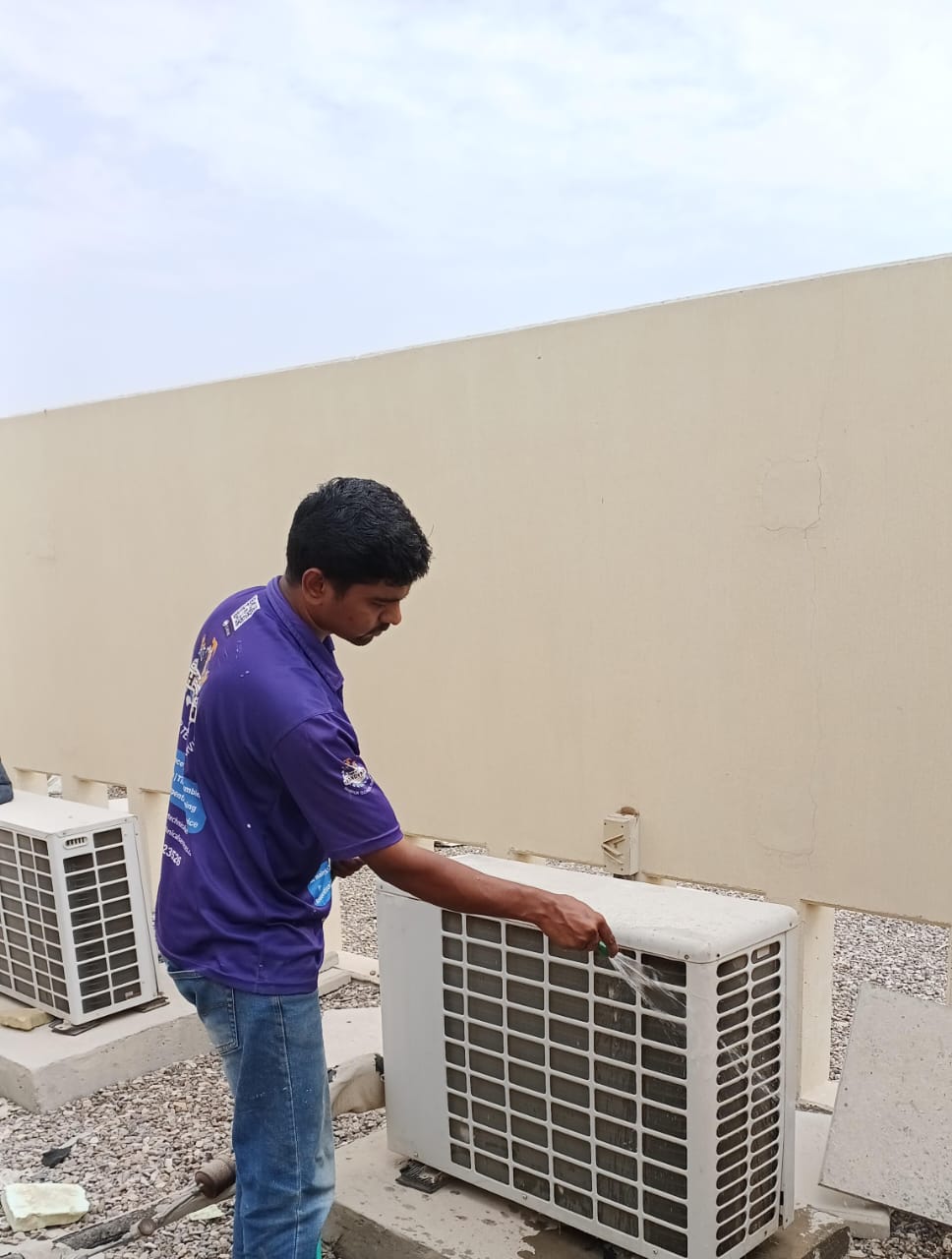
In Dubai, air conditioning is not a luxury—it is the infrastructure of daily life. With summer temperatures routinely exceeding 40°C and humidity levels that can make the air feel thick and heavy, a functioning AC unit is as essential as running water or electricity. But maintaining that comfort requires more than just switching the unit on. The AC service industry in Dubai is vast, competitive, and increasingly sophisticated, offering everything from emergency midnight repairs to comprehensive annual maintenance contracts (AMCs) designed to keep DEWA bills in check.
The Unique Demands of Dubai’s Climate
The primary reason AC services in Dubai operate differently from those in milder climates is the sheer workload placed on cooling systems. Units here often run year-round, and the environment presents specific challenges. Outdoor condenser coils are prone to accumulating sand and dust, which forces the system to work harder and consume more energy. Inside, high humidity can lead to mold growth in ducts and drain pans if not properly managed.
Industry data underscores the stakes. Air conditioning accounts for roughly 60% to 70% of residential electricity consumption in the UAE. A neglected unit doesn’t just risk a breakdown; it quietly inflates monthly bills. According to service providers, a clean, well-maintained system can operate 15% to 20% more efficiently than a dirty one, a saving that often covers the cost of maintenance itself. Furthermore, a simple maintenance visit costing around AED 150 can prevent a compressor failure that might run for AED 800 to AED 1,400 or a blocked drain line that could cause hundreds or thousands of dirhams in ceiling water damage.
What AC Services Are Available?
The market in Dubai caters to every cooling configuration, from a single split unit in a studio apartment to complex chilled-water systems in high-rise towers and villas.
Core Maintenance and Repair: The most common services include deep cleaning of filters, evaporator and condenser coils, and drain lines. Technicians also check refrigerant gas levels, calibrate thermostats, and inspect electrical connections. For breakdowns, emergency repair services operate 24/7, addressing issues like capacitor failures, gas leaks, and compressor malfunctions. Anecdotal reports from service companies highlight the value of proper diagnosis; one provider noted a case where a feared compressor replacement (quoted at over AED 3,000) was actually just a failed capacitor, fixed on-site for AED 350.
Duct Cleaning and Indoor Air Quality: Given the dust and humidity, duct cleaning is a recurring need. Service providers often use borescope inspections to check for blockages and mold before performing chemical washes or mechanical ccleaning.This is particularly important for villas and older buildings where ductwork may have accumulated debris over years.
Annual Maintenance Contracts (AMCs): This is the backbone of the residential service market. An AMC is essentially an insurance policy for your cooling system. Plans are typically tiered by the number of units or property size. For a standard villa with four to six units, a mid-tier plan might cost between AED 1,200 and AED 2,400 per year. This usually covers multiple servicing visits (often scheduled before and during peak summer), gas top-ups, and priority emergency response. The logic is simple: by paying a fixed annual fee, homeowners avoid the financial shock of a mid-July breakdown when every technician in the city is booked solid.
The Cost of Cool: What to Expect
Pricing in Dubai’s AC service sector is relatively transparent, though it varies based on the provider’s reputation, the unit type, and the scope of work.
For a one-off standard split AC service, market rates generally start around AED 120 to AED 200 per unit. A deep clean that includes gas top-up (R410a or R22) might range from AED 199 to AED 350 . For central or chiller systems, maintenance starts higher, often around AED 250 and up, depending on the complexity.
AMC pricing scales with unit count. Entry-level plans for two to three units can start as low as AED 600 per year, while comprehensive coverage for large villas with seven or more units—including VRF systems and monthly servicing—can reach AED 2,400 to AED 6,000 annually. Commercial rates for offices or apartment blocks are often negotiated on a per-unit basis, with bulk discounts applied for larger portfolios.
The Regulatory Landscape: Why Licensing Matters
One of the most critical pieces of advice for anyone seeking AC services in Dubai is to verify the provider’s credentials. HVAC work involves high-voltage electricity and pressurized refrigerants, and it is illegal for unlicensed individuals to perform this work. Legitimate companies hold a trade license from the Dubai Department of Economic Development (DED) and often have technicians registered with DEWA or Dubai Municipality .
Hiring an unlicensed technician carries significant risks. Improper handling of refrigerants like R410A or R32 can damage the system, void manufacturer warranties, and pose safety hazards. Additionally, unlicensed work may not be covered by liability insurance, leaving the property owner exposed if something goes wrong. Reputable providers will readily share their license details and offer warranties on both parts and labor—typically three months for parts and a service guarantee period.
Technology and the Future of AC Service
The AC service industry is evolving alongside the equipment it maintains. The UAE market is seeing a strong shift toward inverter-based systems, VRF (Variable Refrigerant Flow) technology, and smart ACs with IoT-enabled controls. These systems are more energy-efficient but also more complex, requiring technicians with specialized training rather than general handymen.
This technological shift is changing the service model. Companies are increasingly offering digital service reports with photos, WhatsApp-based booking and reminders, and energy efficiency analyses as part of their AMC packages. The focus is moving from reactive repairs to predictive maintenance—identifying a failing capacitor or a slow refrigerant leak before it causes a failure.
Practical Advice for Residents and Property Managers
For those navigating the AC service market, a few guiding principles apply. First, prioritize diagnosis over replacement. A trustworthy technician will investigate thoroughly before recommending a new unit or compressor. Second, consider an AMC if you own or manage a property with multiple units; the predictable cost and priority service are generally worth the investment, especially for villas. Third, pay attention to the “small” services: a filter clean and drain flush are inexpensive but prevent the most common and costly emergencies.
Finally, timing matters. The best time to service an AC is before summer peaks, typically in March or April. By June, reputable companies are often fully booked, and emergency call-outs become slower and more expensive. In a city where the difference between comfort and misery is a few degrees, a little preventive planning goes a long way.
