
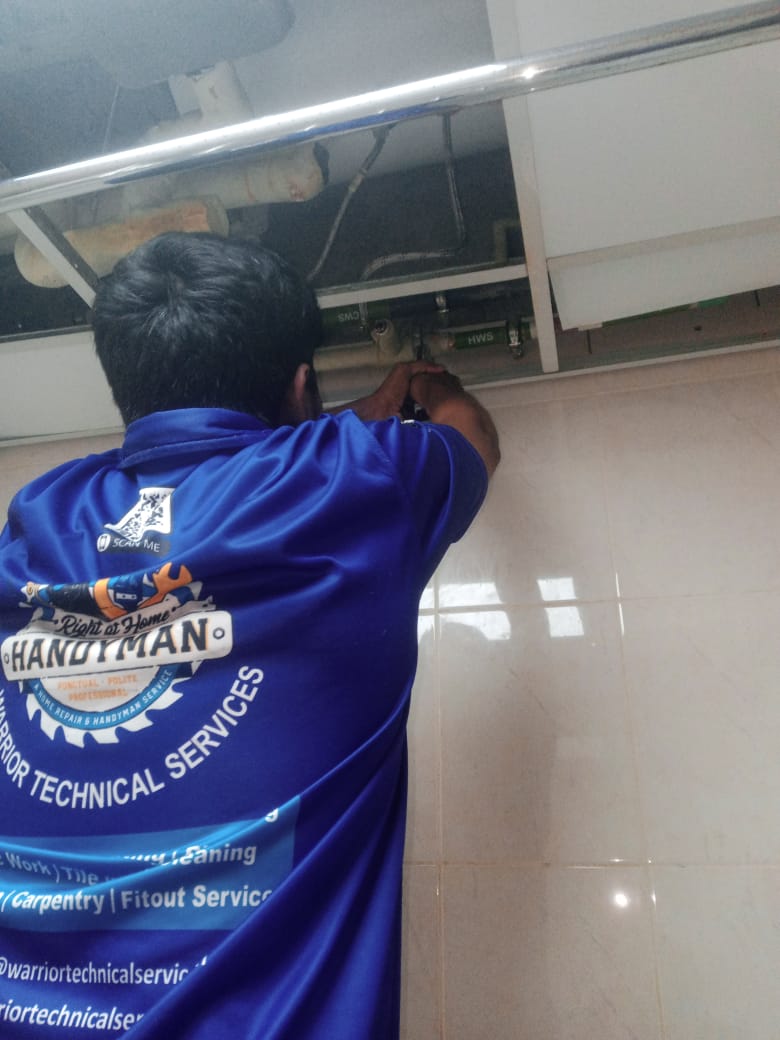
In a city built on speed and luxury, the humble plumbing system is the silent workhorse that keeps Dubai’s villas, high-rises, and commercial towers functioning. Yet, plumbing in Dubai is not a one-size-fits-all trade. The city’s unique environmental and architectural realities—highly mineralized water, scorching supply temperatures, and concealed pipe networks behind expensive tiling—mean that a minor drip can quickly become a five-figure repair bill or a dispute with the neighbor downstairs.
For residents and property managers, choosing the right plumbing service is less about finding the cheapest wrench and more about mitigating risk. The market has responded with a spectrum of providers, from boutique technical firms specializing in leak detection to large-scale facility management companies offering annual maintenance contracts.
The Dubai Specifics: Why Local Plumbing Is Different
The defining challenge of Dubai’s plumbing landscape is water quality and infrastructure design. The emirate’s water supply is notoriously high in minerals, and supply temperatures can reach scalding levels. Combined with the widespread use of concealed copper lines, this creates a perfect storm for pinhole leaks. As one local contractor notes, a tiny pinhole behind a tiled wall can silently deliver 50 to 100 liters of water a day for weeks before it manifests as a flooded ceiling void or a soaring DEWA bill.
Consequently, the most critical service a modern Dubai plumber can offer is not just repair but non-invasive diagnostics. Thermal imaging and acoustic leak detection have become the industry standard for locating faults without turning a luxury bathroom into a demolition site. By pinpointing a leak to an area smaller than one square meter, technicians can save homeowners significant sums in reinstatement costs—tile replacement, paint touch-ups, and waterproofing.
The Service Spectrum: From Emergency Fixes to Full Renovations
Plumbing services in Dubai generally fall into three tiers, each with distinct pricing structures and warranties.
1. Reactive Maintenance and Emergency Call-Outs
For burst pipes, blocked toilets, or sudden water heater failures, speed is the primary metric. Reputable firms aim for a 60- to 90-minute on-site response for true emergencies across communities like Dubai Marina, Downtown, and Arabian Ranches. Pricing for general repairs—such as fixing a leaking tap, clearing a drain, or replacing a mixer cartridge—typically ranges from AED 500 to AED 5,000 depending on the complexity and parts required. It is crucial to confirm that the provider offers a fixed price per task rather than an open-ended hourly rate, as the latter can escalate quickly if the diagnosis proves tricky.
2. Planned Upgrades and Bathroom Refits
When renovating, plumbing becomes a fixed-price project. A full bathroom re-plumb, including hot and cold water lines, drainage, ventilation, and sanitaryware installation, generally falls between AED 8,000 and AED 25,000. For older villas in established areas like Jumeirah or Umm Suqeim, a complete pipe replacement to switch from aging copper to modern PPR or PEX manifold systems—which are resistant to the pinhole failures common in Dubai—can range from AED 30,000 to AED 90,000. These projects require the contractor to handle authority approvals from Dubai Municipality and DEWA, ensuring the work passes inspection before the walls are closed up.
3. Annual Maintenance Contracts (AMCs)
For landlords and villa owners, prevention is the most cost-effective strategy. Water damage is cited as the single most common villa insurance claim in Dubai. AMCs typically cover annual water tank cleaning and disinfection (often with a microbiological test certificate), pressure testing, and priority response for emergencies. Some facility management firms offer comprehensive packages that bundle plumbing with AC servicing and electrical checks, providing a single point of accountability for property upkeep.
The Verification Gap: Licensing and Authority Approvals
A critical factor distinguishing professional Dubai plumbers from rogue operators is their ability to navigate the regulatory framework. Any work affecting the main water supply or drainage requires compliance with DEWA (Dubai Electricity and Water Authority) and Dubai Municipality standards. For commercial or major residential projects, contractors must also secure No Objection Certificates (NOCs) and coordinate with community developers like Emaar or Nakheel for access to shared risers or drainage stacks.
When vetting a provider, residents should ask for their trade license and confirm that they carry liability insurance. A legitimate company will readily provide a written, itemized quotation before work begins and will offer a clear workmanship warranty—ranging from six months on labor to three years on full installations. It is also advisable to ask for the faulty part (such as a failed cartridge or valve) to be shown upon completion, a simple practice that ensures the diagnosis was accurate.
Choosing the Right Partner
The Dubai plumbing market is crowded, with options ranging from small handyman operations to established technical service companies. The right choice depends on the scale of the problem. For a quick fix, a licensed handyman service with strong local reviews may suffice. However, for hidden leaks, full bathroom renovations, or villa-wide repiping, specializing firms with advanced diagnostic tools and a track record of handling authority approvals are worth the premium.
Ultimately, the goal is to protect the property. In a city where the cost of water damage can far exceed the cost of the repair itself, investing in a licensed, insured, and transparent plumbing partner is not an expense—it is essential risk management.
