
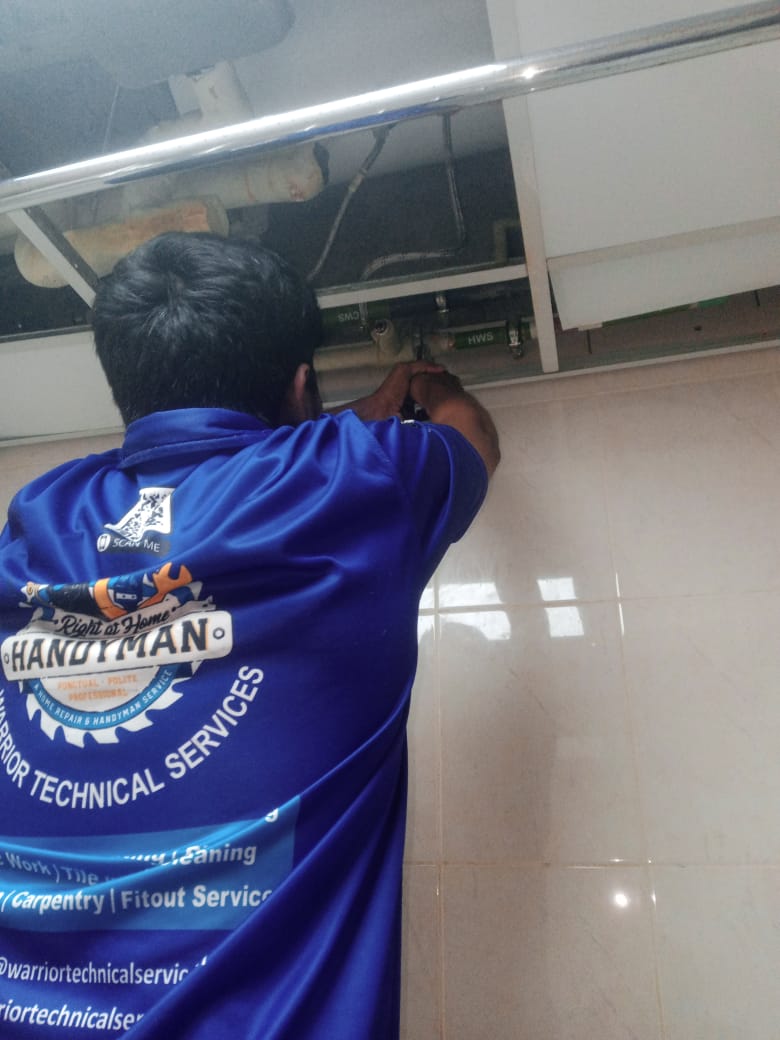
Dubai’s plumbing market is crowded, and the gap between a reliable, licensed provider and a cheap handyman who disappears after the job is vast. For homeowners, landlords, and facility managers, the real challenge is not finding *a* plumber—it is finding one whose work will pass inspection, hold up under the city’s hard-water conditions, and come with a warranty that means something. This guide breaks down what plumbing services actually cost in Dubai, what the regulations demand, and how to tell a professional operation from a risky one.
What Plumbing Services Are Covered in Dubai
Plumbing work in Dubai spans routine repairs to full-system installations, and the scope varies significantly by property type. Apartments in high-rise towers face different constraints than villas with outdoor irrigation and pool systems.
Emergency and repair work is the most common category. This includes burst pipes, active leaks, blocked drains, toilet and tap repairs, and water heater failures. Most reputable firms offer same-day service for urgent issues, with 24/7 availability for flooding or total water loss.
Leak detection deserves separate mention. In Dubai, hidden leaks inside walls or under floor slabs can cause structural damage and inflate water bills before any visible sign appears. Professional providers use thermal imaging and acoustic detection to locate leaks without unnecessary demolition—a critical capability that separates specialists from general handymen.
Bathroom and kitchen plumbing covers everything from mixer replacement to full renovations. A complete bathroom plumbing package—including hot and cold piping, drainage, sanitaryware installation, and waterproofing integration—typically runs AED 8,000 to 25,000 per bathroom.
Water heater services are a recurring need. Most UAE apartments and villas use electric storage units of 50 to 80 liters. Common faults include failed heating elements, faulty thermostats, and scale buildup from hard water. Full replacement is often the sensible choice once a unit passes seven or eight years old.
Full villa repiping is the largest residential category. When original pipes corrode and pressure drops throughout the property, a complete replacement—covering all bathrooms, kitchen, water heater connections, and drainage—ranges from AED 30,000 to 90,000.
What Plumbing Work Should Cost
Price transparency is uneven in Dubai’s plumbing market. Some companies advertise fixed pricing; others bill hourly or by project percentage. Understanding the typical ranges helps identify quotes that are suspiciously low or inflated.
For common repairs, indicative 2026 market rates are roughly as follows: Tap or mixer repair at AED 150–350, minor leak repair at AED 150–300, blocked drain clearing at AED 200–500, and water heater repair at AED 200–500. Leak detection without wall damage runs AED 300–800, reflecting the equipment and expertise involved.
For larger projects, the pricing structure shifts. A maintenance and repair job (leak detection, tap replacement, drain clearing) falls in the AED 500–5,000 range depending on scope. Bathroom plumbing packages and villa repiping follow the ranges noted above.
Several factors legitimately move the final bill. Access is the biggest variable: an under-sink repair is straightforward, a leak inside a tiled wall requires more labor, and a slab leak is the most expensive to address. Parts quality matters—a genuine Grohe or TOTO cartridge costs considerably more than a generic equivalent, and premium tapware demands premium parts. Timing carries a real surcharge: evening, Friday, and public holiday calls cost more because labor costs more outside core hours. Location within Dubai can also factor in, as Marina and Downtown have higher parking costs and longer travel windows than Al Qusais or Mirdif.
The cheapest quote is rarely the cheapest outcome. Unlicensed handymen may use poor parts, miss the root cause, or leave a leak that returns within weeks—turning a small repair into water damage and a second repair bill. A fair provider separates labor from parts, provides a written quote before starting, and gets approval before purchasing materials.
The Regulatory Layer: DEWA, Dubai Municipality, and Approvals
Plumbing in Dubai is not a free-for-all. Work that connects to the municipal water supply or drainage system must comply with DEWA (Dubai Electricity and Water Authority) standards and Dubai Municipality regulations. Licensed providers are registered with these authorities, and their work is subject to inspection.
For minor repairs, this compliance may not be visible to the customer. For larger projects—bathroom renovations, repiping, new installations—the paperwork matters. A professional firm handles the drawings, NOCs, and authority submissions required for permits and can produce a DEWA inspection certificate upon completion. Choosing an unlicensed provider for regulated work risks failed inspections, fines, and problems when selling or leasing the property.
Community-specific approvals add another layer. Developments managed by Emaar, Nakheel, Meraas, and DAMAC often require separate NOCs from the community design or management office. A provider experienced with these communities knows the process and includes it in their scope rather than charging surprise fees later.
How to Evaluate a Plumbing Provider
Dubai’s plumbing market includes everything from established technical services companies with hundreds of completed projects to individual handymen advertising on classifieds. A few filters separate the reliable from the risky.
Licensing and insurance come first. A legitimate provider holds a valid trade license and carries liability insurance. This is not a formality—if a worker causes water damage to a neighbor’s apartment or a building’s common areas, insurance determines who pays. Unlicensed individuals offer no such protection.
Written quotes with itemized pricing are a strong signal. A provider who gives a fixed price before work starts, with labor and parts separated, is operating transparently. Vague lump-sum quotes that “grow” once work begins are a red flag. It is reasonable to ask over the phone for a likely price range based on your description—a plumber who knows their work can give one; one who refuses may be planning to price based on your apartment’s appearance rather than the job.
Warranty terms vary widely. Industry standard is often one year on workmanship; some providers offer three years, including materials. For any significant plumbing work, a written warranty is essential, as is clarity on what it covers.
Response time and availability matter more for some customers than others. For a rental property or a business, a provider with 24/7 emergency coverage and a confirmed arrival window is worth a premium. For a slow drip in an owner-occupied apartment, waiting for a standard weekday appointment at a lower rate is the financially sensible choice.
Avoid red flags: no verifiable portfolio or references, reluctance to handle authority approvals, prices far below market, and no written contract or invoice.
Maintenance Contracts: When They Make Sense
Annual maintenance contracts (AMCs) bundle plumbing—often alongside AC and electrical—into a fixed yearly fee with priority response. For landlords managing multiple units, property managers, and larger villas with pools and multiple bathrooms, an AMC frequently works out cheaper than paying call-out fees for each issue, and it guarantees priority service ahead of non-contract customers.
For a single tenant in a small apartment who might need a plumber twice a year, the math usually favors paying per visit. The annual contract fee can exceed what two or three standard call-outs would cost, and the priority response benefit is less relevant for someone who can wait a day for a non-urgent repair.
Final Considerations
Plumbing in Dubai is shaped by three realities: the climate and water quality (hard water accelerates scale and corrosion), the regulatory environment (DEWA and municipality compliance is non-negotiable for permitted work), and a market with wide variance in quality. The practical approach is to identify a licensed provider before an emergency occurs—check their licensing, ask for a written quote structure, confirm warranty terms, and keep their number on hand. When a pipe bursts at midnight, the last thing anyone wants to do is start comparing providers from scratch.
