
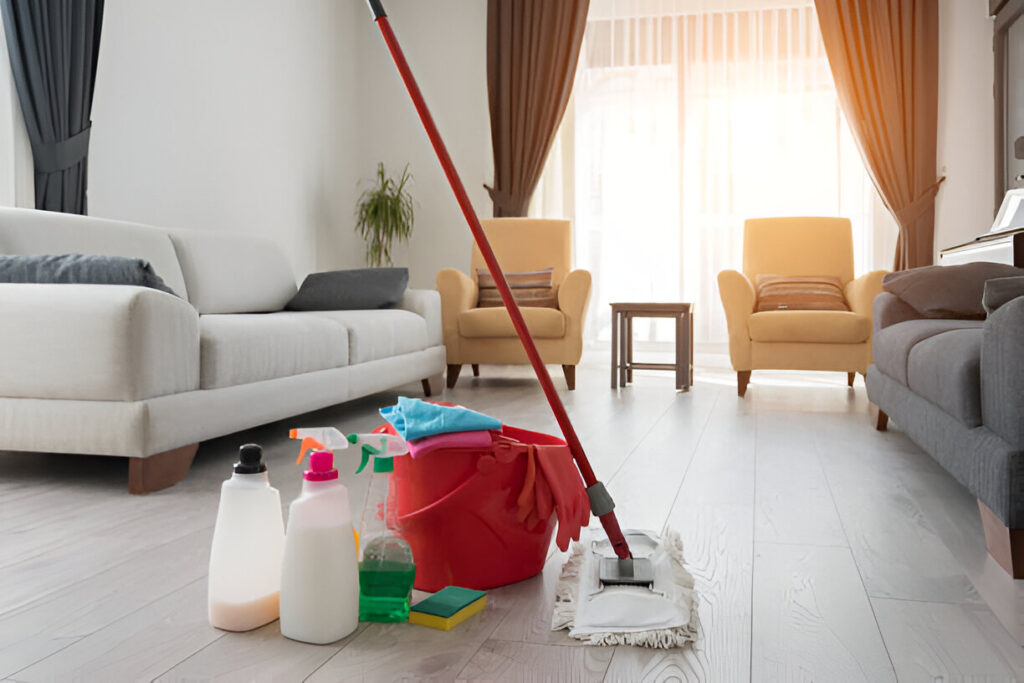
Dubai’s cleaning services sector is no longer just about a mop and bucket.
It is a sophisticated, highly competitive industry shaped by a dense urban landscape, a transient and busy population, and stringent municipal regulations.
From on-demand app-based cleaners to long-term commercial contracts worth millions, the market reflects the city’s broader ethos: speed, convenience, and a relentless pursuit of quality.
The Demand Drivers: Density, Heat, and Hospitality
The fundamental demand for cleaning in Dubai is structural rather than discretionary. With a population exceeding 3.6 million and a residential tower stock that continues to expand,
The sheer density of living spaces creates constant demand for maintenance. maintenance.
The climate plays a significant role as well; dust and sand accumulations are a persistent reality, making frequent deep cleaning of AC ducts, windows, and living spaces a necessity rather than a luxury.
Beyond residential needs, Dubai’s hospitality sector is a massive consumer of cleaning services. The emirate hosts over 140,000 hotel rooms, each requiring daily housekeeping and periodic deep cleaning contracts.contracts. Similarly, the commercial real estate sector—from free zone campuses to retail developments—relies on contracted cleaning to maintain standards for tenants and visitors. The UAE facility management market, which encompasses cleaning, is projected to grow at a compound annual growth rate exceeding 7% through the late 2020s.2020s.
The Consumer Landscape: Apps, Hourly Rates, and Flexibility
For residents, the way cleaning services are purchased has been transformed by technology. The market is flooded with platforms and apps that allow users to book a cleaner in minutes, often with same-day availability. This “gig economy” model for cleaning has lowered the barrier to entry for customers and intensified competition among providers.
Pricing Transparency and Competition
Consumers in Dubai are notoriously price-sensitive, and the cleaning market reflects this. Hourly rates for home cleaning are highly competitive. Platforms like ServiceMarket advertise rates starting as low as AED 19 per hour for promotional first-time bookings, with standard rates ranging from AED 33 to AED 39 per hour depending on the duration booked.booked. Urban Company, another major player, offers part-time cleaners starting at AED 59 for a 60-minute session, emphasizing verified professionals and transparent pricing as key selling points.points.
This price sensitivity does not mean customers are willing to sacrifice quality. Reviews on these platforms frequently highlight specific cleaners by name, praising attributes like “attention to detail,” politeness, and speed.speed. For many residents, the ability to request the same cleaner for recurring weekly or biweeklybiweekly visits is a significant factor in choosing a provider, as it ensures consistency and trust.trust.
Beyond Basic Cleaning
The definition of “cleaning” has expanded. Consumers are not just looking for dusting and mopping; they are booking specialized services for mattress cleaning, sofa shampooing, carpet steam cleaning, and even pool and water tank maintenance.maintenance. This specialization allows service providers to upsell and differentiate themselves in a crowded market.
The Commercial and Technical Side: Compliance and Specialization
While the residential market is visible and app-driven, the commercial and technical cleaning sector operates on a different scale. Building management companies, developers, and hotel groups typically enter into 12- to 36-month contracts for cleaning services.services. This B2B model provides predictable revenue for cleaning companies, but it also demands a higher level of professionalism and regulatory compliance.
The Regulatory Framework
Operating a cleaning business in Dubai is not a casual endeavor. The regulatory environment actively supports formal, licensed operators, effectively excluding informal providers from the most valuable contracts. Building managers and developers require contractors to hold valid trade licenses and insurance as a baseline.baseline. Furthermore, labor compliance is strict; all employees must be registered with the Ministry of Human Resources and Emiratisation (MOHRE), and companies carry legal obligations regarding visa sponsorship, accommodation, and employment contracts.contracts. Labor costs, including these compliance measures, typically represent 55% to 65% of total operating costs for a cleaning business.business.
Specialized Technical Cleaning
A significant segment of the market involves technical cleaning that goes far beyond standard janitorial work. Companies like Quality Care UAE, an NADCAan NADCA member, focus on the hidden systems of a building: AC ducts, water tanks, kitchen exhausts, and cooling towers.towers. This type of work is governed by specific health and safety standards. For instance, Dubai Municipality requires water tanks to be cleaned and disinfected at least once every six months.months. Neglecting these systems can lead to health hazards, such as mold growth in AC ducts or bacterial contamination in water tanks, making specialized cleaning a public health necessity rather than just an aesthetic choice.
The Rise of Smart and Green Cleaning
The industry is also evolving technologically and environmentally. The adoption of IoT-enabled sensors, robotic vacuums for commercial spaces, and AI-powered scheduling is helping larger providers optimize resource utilization and reduce costs.costs. Simultaneously, there is a growing shift toward eco-friendly cleaning products and practices. This is driven partly by consumer preference and partly by government sustainability goals, such as the UAE’s aim to increase the share of clean energy in its total energy mix.mix. Cleaning companies that invest in green certifications and smart technologies are positioning themselves for the premium segments of the market.
Challenges: Price Wars and Labor Costs
Despite the growth, the cleaning industry in Dubai faces significant headwinds. The most prominent challenge is intense competition. With over 1,600 registered cleaning companies in the UAE, the market is saturated. This saturation often leads to price wars, which can erode profit margins and make it difficult for smaller operators to sustain quality.
Simultaneously, labor costs are rising. The average wage for cleaning staff has seen increases due to new labor regulations and demand for skilled workers. For companies trying to balance competitive pricing for price-sensitive residential customers with the need to pay fair wages and maintain compliance, profitability can be tight. This dynamic often forces smaller companies to either specialize in a niche (such as high-end villa deep cleaning or eco-friendly services) or attempt to scale rapidly to win larger commercial contracts.
Conclusion
Cleaning services in Dubai are a microcosm of the city itself: fast-paced, diverse, and demanding. For residents, the market offers unprecedented convenience—a cleaner can be booked for an afternoon at a relatively low hourly rate, often with the tap of a finger. For businesses and property managers, the sector provides essential technical services that keep buildings safe and compliant. The companies that succeed in this environment are those that can navigate the dual pressures of intense price competition on the residential side and stringent regulatory and quality requirements on the commercial side. As Dubai continues to grow vertically and attract new residents and visitors, the demand for clean, healthy, and well-maintained spaces will only intensify, ensuring that the cleaning industry remains a vital and dynamic part of the city’s economy.
