
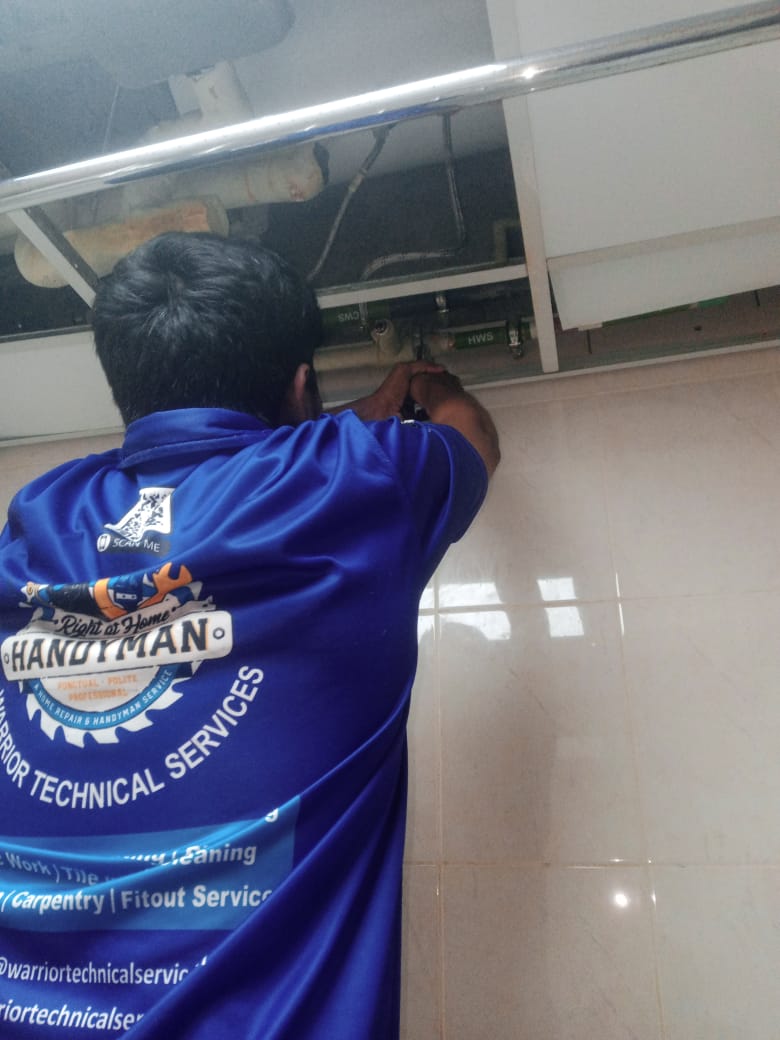
Plumbing problems in Dubai are rarely just a minor inconvenience. Between the region’s hard water, intense heat, and the widespread use of concealed pipework in villas and apartments, a small drip or a slow drain can escalate into serious water damage within days. Whether you live in a high-rise in Dubai Marina or a villa in Arabian Ranches, understanding what goes wrong, what it costs, and when to call a professional can save you thousands of dirhams in repairs and stress.
This guide covers the most common plumbing issues in Dubai, what licensed services actually cost, and a detailed FAQ section to answer the questions residents ask most often.
What Makes Plumbing in Dubai Different?
Plumbing systems in Dubai face conditions that are far harsher than in many other cities. The water supply has a high mineral content, which means limescale builds up quickly inside pipes, water heaters, valves, and tap aerators. This scale narrows pipes, reduces water pressure, and causes fittings to fail years earlier than they would in softer-water regions.
The heat is another factor. High ambient temperatures cause pipes to expand and stress joints, while UV exposure makes exposed plastic pipes brittle over time. In villas, the most frequent emergency plumber encounter is a burst flexible braided hose connected to a toilet or sink. These hoses are under constant pressure, and their inner rubber lining degrades after roughly five to eight years, often failing suddenly and releasing a full stream of water into the home. For this reason, many professionals recommend preventive replacement of all flexible hoses every seven years, regardless of how they look.
The Most Common Plumbing Problems in Dubai Homes
Leaking Taps, Showers, and Toilets
A dripping tap or a toilet that keeps running after flushing is more than a nuisance. In Dubai, where water bills are tied to DEWA metering and conservation matters, a constantly running toilet can waste thousands of liters per month and add noticeably to your bill. The cause is usually a worn flapper valve, a misadjusted float, or mineral buildup inside the tap cartridge. These are inexpensive fixes if caught early, but ignoring them can lead to stained fixtures, damaged cabinetry, and higher utility costs.
Blocked and Slow Drains
Hair, soap scum, grease, and food waste accumulate quickly in the compact bathroom and kitchen drains common in Dubai apartments. In villas, sand and sediment can also block floor drains, particularly after dust storms or heavy rain. A slow drain is an early warning sign. If water begins pooling around the drain cover, the blockage has already progressed, and professional clearing with a drain snake or hydro-jet is usually necessary. Chemical drain cleaners are best avoided as a first response, as they can damage older pipes and often fail to reach the actual blockage.
Low Water Pressure
Low pressure is one of the most frequent complaints among Dubai residents. The cause can be as simple as limescale blocking a showerhead or tap aerator, which can often be fixed by soaking the fixture in white vinegar. However, if pressure is weak across the entire property, the problem may lie with a partially closed isolation valve, a failing pressure regulator, a booster pump issue, or a building-level supply problem. In apartment towers, pressure dips during peak morning and evening hours are common and usually indicate a shared pump or rooftop tank issue that should be reported to building management.
Hidden Leaks Inside Walls or Under Slabs
The most expensive plumbing problems are the ones you cannot see. A concealed leak in a wall or under a floor slab may show only as a persistent damp patch, bubbling paint, a warm spot on the floor, or an unexplained rise in your water bill. In Dubai’s concrete and block-built villas, these leaks are most often found in hot water supply pipes. Modern leak detection uses thermal imaging and acoustic listening to pinpoint the source before any wall or floor is opened, avoiding unnecessary demolition. If you suspect a hidden leak, shut off the main water supply and the water heater immediately, and do not drill into the damp area—the pipe may not be where the stain appears.
What Does a Plumber Cost in Dubai?
Costs vary depending on the provider, the time of day, and the scope of work. Based on current market rates, a standard daytime call-out and repair for minor issues like a dripping tap or a cleared drain typically falls in the range of AED 150 to AED 350. After-hours emergency call-outs generally start higher, around AED 300 to AED 600 for the first hour, with rates increasing further late at night.
For larger jobs, water heater replacement typically costs between AED 800 and AED 2,500 depending on unit size and whether existing pipework needs modification. Toilet replacement ranges from AED 400 to AED 900, including the unit and fitting. Full bathroom plumbing for a renovation can range from AED 2,000 to AED 6,000 depending on the number of fixtures and complexity.
For major projects, fixed-price packages are increasingly common among established providers. Basic repair and maintenance jobs may be quoted from AED 500 to AED 5,000, while full bathroom plumbing packages range from AED 8,000 to AED 25,000, and complete villa repiping projects can run from AED 30,000 to AED 90,000. Always request a written fixed-price quote after a site inspection rather than agreeing to hourly rates, and confirm whether VAT (5%) is included.
How to Choose a Reliable Plumbing Service in Dubai
Licensing matters. Plumbers working on anything beyond minor fixture changes must hold a Dubai Municipality-approved trade license, and work involving supply lines or shared building systems typically requires DEWA compliance and inspection. Ask for the license number before work begins.
Look for providers that offer fixed pricing rather than open-ended hourly rates, and confirm the warranty terms. Some established companies now offer multi-year warranties on workmanship and materials, which is a meaningful indicator of confidence in their work. For villas and larger properties, a provider experienced with community-specific regulations—such as Emaar, Nakheel, or Trakhees requirements—can prevent delays and rejected inspections.
Finally, know your main water stopcock location before an emergency happens. In a burst pipe situation, the difference between a manageable repair and a flooded home often comes down to how quickly you can shut off the supply.
Frequently Asked Questions (FAQ)
What should I do first if a pipe bursts in my Dubai home?
Shut off the water at the nearest isolation valve, or at the main stopcock if you cannot find a local valve. Then call an emergency plumber. Do not attempt to repair the pipe yourself while water is flowing. Knowing your stopcock location in advance is the single most useful preparation a Dubai homeowner can make.
Is low water pressure a plumbing problem or a supply issue?
It can be either. If only one tap or shower is weak, the cause is likely local—a clogged aerator, a scaled showerhead, or a partially closed fixture valve. If pressure is low across the entire property, the issue may be a failing booster pump, a worn pressure regulator, or a building supply problem. Testing by a plumber can isolate the cause before you spend money on unnecessary repairs.
How often should I have my plumbing system inspected?
An annual inspection is recommended to catch scale buildup, slow leaks, and failing components before they cause damage. For villas with multiple bathrooms and a water heater, annual servicing of the heater—including flushing sediment from the tank—can extend its lifespan and prevent mid-summer failures.
Are chemical drain cleaners safe for Dubai pipes?
They are generally not recommended as a first response. If a drain is completely blocked, the chemical sits in the standing water and never reaches the blockage, wasting time while the risk of overflow continues. Repeated use can also damage older pipework. Mechanical clearing with a drain snake or hydro-jet is more effective and safer for the plumbing system.
Who is responsible for plumbing repairs—tenant or landlord?
It depends on the tenancy contract and the nature of the fault. Minor maintenance is often the tenant’s responsibility, while major faults and structural issues typically fall to the landlord. Regardless of who ultimately pays, an active leak should be stopped immediately to limit damage, and responsibility can be settled afterward. The cost of a quick repair is almost always far less than the cost of water damage.
Can you detect a leak without breaking walls or floors?
Yes. Professional leak detection services use thermal imaging cameras and acoustic listening equipment to locate hidden leaks before any demolition begins. This allows the repair to be targeted to the exact spot, keeping the making-good work minimal and avoiding the destructive “dig everywhere” approach.
Why do flexible hoses burst so often in Dubai villas?
Flexible braided hoses are under constant mains pressure, and their internal rubber lining degrades over time, typically after five to eight years. In villas with multiple bathrooms, this is the most frequent emergency call plumbers receive. Preventive replacement of all flexible hoses every seven years is a low-cost measure that avoids the far higher cost of water damage to flooring, cabinetry, and gypsum walls.
